+86 15633683072
The most expensive weld is the one you have to do twice. Every pipeline contractor knows this. Yet rework remains one of the biggest cost drivers in pipeline construction.
The numbers are sobering. Typical manual welding operations see repair rates between 1% and 5%, depending on complexity. In some locations, peak rates hit 25%. And rework doesn't just cost labor—it's often five times the cost of the original weld.
That's where a modern orbital welding system changes the game. By delivering consistent, repeatable welds, automated welding solutions can drive pipeline welding rework rates down to under 1%—and in some cases, as low as 0.37%.
Here's how automatic pipeline welding with an orbital welding pipe system reduces rework, and why the best orbital welding system for pipeline applications is the one that matches your specific field conditions.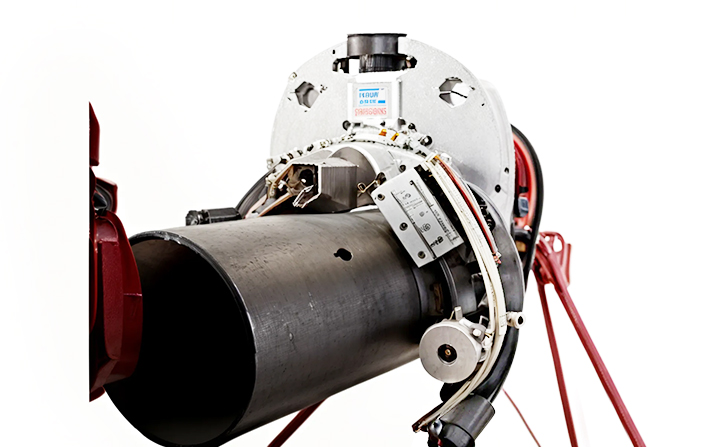
Pipeline welding rework isn't just about grinding out a bad weld and starting over. The costs cascade:
Labor. Cutting, grinding, and re-welding a joint takes time. On a large pipeline project, that's hours of skilled labor diverted from productive work.
Materials. Rework consumes filler metal, shielding gas, and consumables. Over thousands of welds, that adds up.
Schedule delays. A failed weld discovered during inspection can stall an entire section of work. Remobilization costs for field crews are significant.
Inspection. Every reworked joint must be re-inspected, often with NDT methods like AUT or X-ray.
Hidden costs. Documentation, rescheduling, and expedited shipping all add to the burden.
One study found that a single orbital welding system can save $71,000 per year through reduced rework, lower scrap rates, and fewer skill-related risks.
Automatic pipeline welding doesn't eliminate the possibility of defects—but it dramatically reduces the variability that causes them.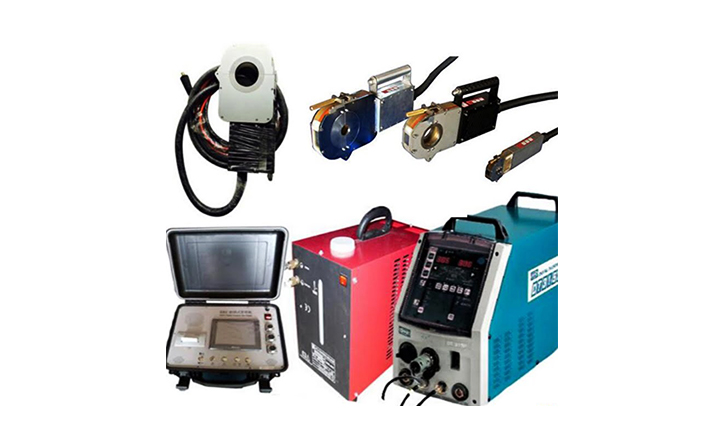
Most pipeline welding rework traces back to a handful of predictable defects:
| Defect | Cause | How Automation Helps |
|---|---|---|
| Porosity | Gas entrapment, inadequate shielding, contaminated gas | Consistent gas flow, sealed weld zone |
| Lack of fusion | Insufficient heat input, incorrect travel speed | Precise parameter control, real-time monitoring |
| Undercut | Excessive heat or travel speed | Stable arc, consistent travel |
| Incomplete penetration | Incorrect root gap or heat input | Programmable parameters, seam tracking |
| Tungsten inclusions | Tungsten dipped in weld pool | Fixed arc length, no operator error |
| Slag inclusion | Improper cleaning between passes | Repeatable interpass cleaning procedures |
In manual welding, these defects arise from inconsistent joint preparation, improper parameters, inadequate environmental control, or simple operator fatigue.
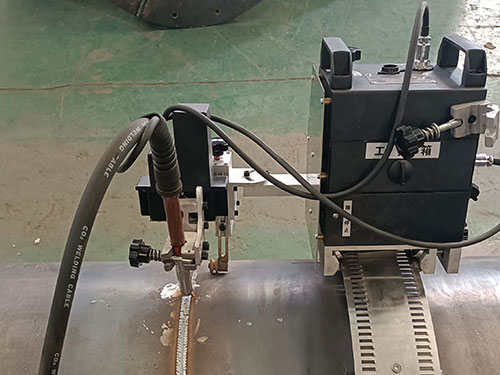
An orbital welding pipe system eliminates the human variables. The orbital welding system maintains fixed arc length, travel speed, and gas coverage across every joint. No fatigue. No drift. No "Monday morning" welds.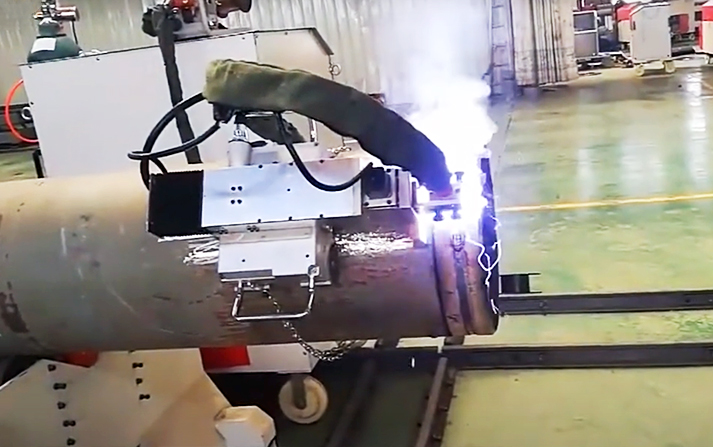
Unlike conventional TIG welding, where results depend heavily on operator skill, orbital welding uses mechanized weld heads to rotate the electrode around stationary pipe in a precisely controlled 360° motion.
The result is a weld profile that is uniform, repeatable, and defect-free. Every joint gets the same heat input, the same travel speed, and the same gas coverage. That consistency translates directly to lower pipeline welding rework rates.
Automatic pipeline welding systems can achieve tracking accuracy within ±0.2mm under challenging conditions. That's a level of precision no human hand can match.
An orbital welding system stores welding parameters for different pipe diameters, wall thicknesses, and materials. Operators select the correct program, and the system executes it exactly—every time.
This is particularly valuable for orbital welding pipe applications where fit-up varies. Advanced automated welding solutions use real-time seam tracking algorithms that estimate deviation from arc voltage and current signals, applying synchronized corrections to maintain bead uniformity.
Compared with manual welding by skilled operators, orbital systems reduce variability, improve seam alignment, and lower defect occurrence.
Modern orbital welding system solutions log every parameter—amperage, voltage, travel speed, gas flow, and interpass temperature. This data provides full traceability for every weld.
When a defect does occur, the data helps identify the root cause immediately. Was the gas flow consistent? Was the travel speed within spec? The log answers those questions. That means faster corrective action and less pipeline welding rework.
One orbital welding system can do the work of at least two skilled manual welders. It doesn't get tired. It doesn't have "off days." And it doesn't require years of experience to operate effectively.
This matters because the welder shortage is real. Automatic pipeline welding lets you get consistent results with less experienced operators—and keeps your most skilled welders focused on the joints that actually require human judgment.
The numbers don't lie.
CRC Evans recently completed a 300-kilometer pipeline project in Saudi Arabia with 56-inch diameter pipe and 12,000 critical welds. Using automated welding technology, they achieved:
0.37% repair rate—exceptionally low rework across all 12,000 welds
100% technical assurance—verified through automated ultrasonic testing (AUT)
Zero critical downtime—24/7 technical support kept the project moving
The internal welding machine completed a fully automated root weld cycle in as little as two minutes. That's the power of automated welding solutions applied at scale.
Industry benchmarks suggest that automated welding systems should aim for defect rates below 0.5%. The best orbital welding system for pipeline applications consistently delivers that—and often exceeds it.
Orbital welding can save up to 66% time and 45% material compared to manual welding. When you combine faster welding with lower rework, the ROI is compelling.
Not every orbital welding system is suited for pipeline field work. Here's what to look for:
Environmental rating. Pipeline orbital welding pipe systems need to operate outdoors in dust, wind, and temperature extremes. Look for systems with robust weather protection.
Diameter range. The best orbital welding system for pipeline should cover your pipe sizes. Open-head systems typically handle larger diameters (16mm to 300mm and beyond). Closed-head systems are ideal for smaller, high-purity work.
Seam tracking. Field fit-up is never perfect. Your orbital welding system should compensate for gap variation and misalignment.
Data logging. For quality assurance and audit compliance, the orbital welding system must record every weld parameter.
Training and support. The best orbital welding system for pipeline is worthless if your operators don't know how to use it. Look for a supplier that provides on-site training.
Spare parts availability. When something breaks in the field, you need parts fast. Choose a supplier with a global supply chain.
Typical manual welding operations see repair rates between 1% and 5%, depending on complexity. In some locations, peak rates hit 25%. Automated orbital welding system solutions can drive pipeline welding rework rates down to under 1%—and in some cases, as low as 0.37%.
Rework is often five times the cost of the original weld. Beyond direct labor and materials, rework consumes inspection time, causes schedule delays, and can require remobilization of field crews. One study found that a single orbital welding system can save $71,000 per year through reduced rework, lower scrap rates, and fewer skill-related risks.
Most pipeline welding rework traces back to predictable defects: porosity, lack of fusion, undercut, incomplete penetration, tungsten inclusions, and slag inclusion. These arise from inconsistent joint preparation, improper welding parameters, inadequate environmental control, or operator fatigue.
An orbital welding system eliminates the human variables that cause defects. It maintains fixed arc length, travel speed, and gas coverage across every joint. Advanced automated welding solutions use real-time seam tracking to compensate for fit-up variation. The result is uniform, repeatable welds with significantly lower pipeline welding rework rates.
Yes. Orbital welding can save up to 66% time and 45% material compared to manual welding. An internal welding machine can complete a fully automated root weld cycle in as little as two minutes. One orbital welding system can do the work of at least two skilled manual welders.
Yes. Modern orbital welding pipe systems are designed for field conditions, with weather protection, robust construction, and portable designs. The best orbital welding system for pipeline applications has been proven on large-scale projects in challenging environments.
The ROI comes from reduced pipeline welding rework, lower labor costs (one system replaces at least two manual welders), faster welding cycles (up to 66% time savings), and reduced material waste. One study found annual savings of $71,000 per orbital welding system. For large pipeline projects, the payback period is typically measured in months, not years.
Look for environmental rating, diameter range coverage, seam tracking capability, data logging, on-site training from the manufacturer, and spare parts availability. The best orbital welding system for pipeline is the one that matches your pipe sizes, field conditions, and production requirements—and comes with the support to keep it running.
Zhengzhou Kehui Technology Co., Ltd
Email: info@zzkehui.com





 Chinese
 English
 OA
OA Current location:
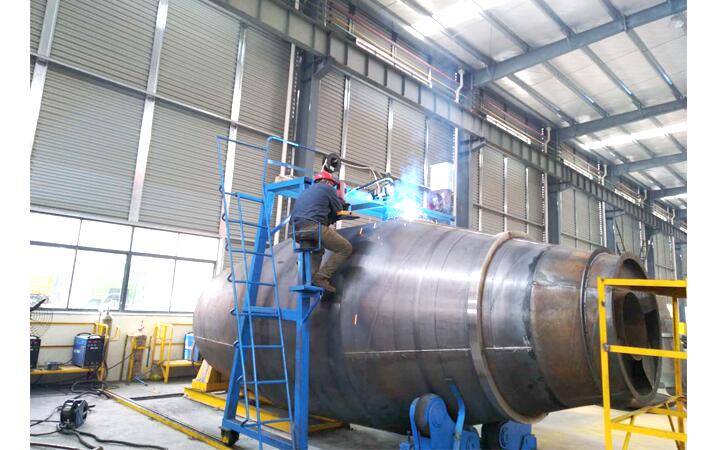 Concrete Mixer Drum Robotic Welding Solutions
 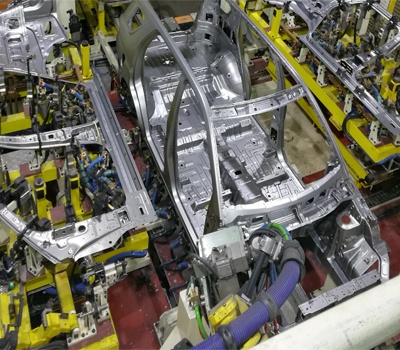 Automobile Body Production Line Welding Fixtures
 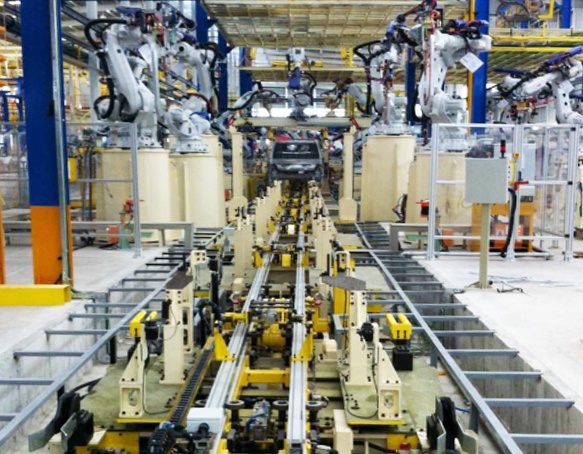 Automotive Body Welding Automated Manufacturing Solutions
 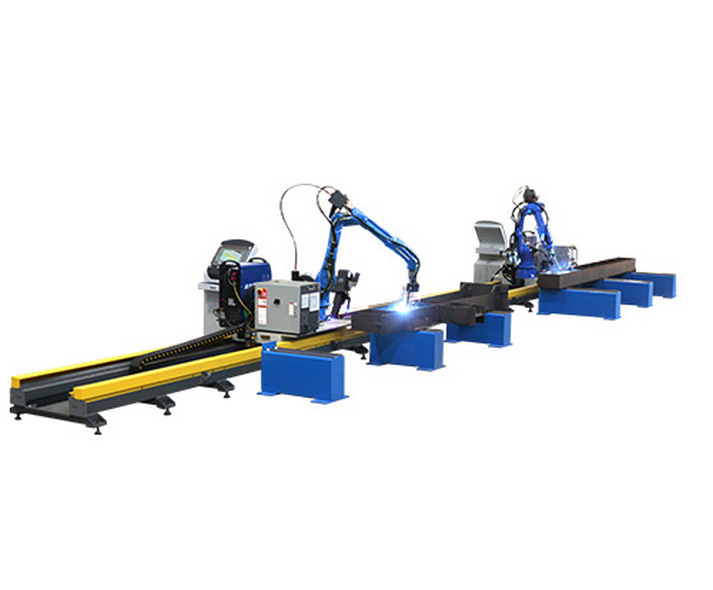 Free-Teaching Programming Welding Robot Cell For I Beam Welding
  No Programming Required Robotic Welding Systems for H beam Welding Line